
Stop a Dog Barking Excessively
Stop a Dog Barking Excessively. Excessive barking is one of the most frustrating dog behaviour problems for owners and neighbours alike. The good news is that with the right understanding and consistent training, you can absolutely teach your dog to bark less. This guide walks you through everything you need to know.
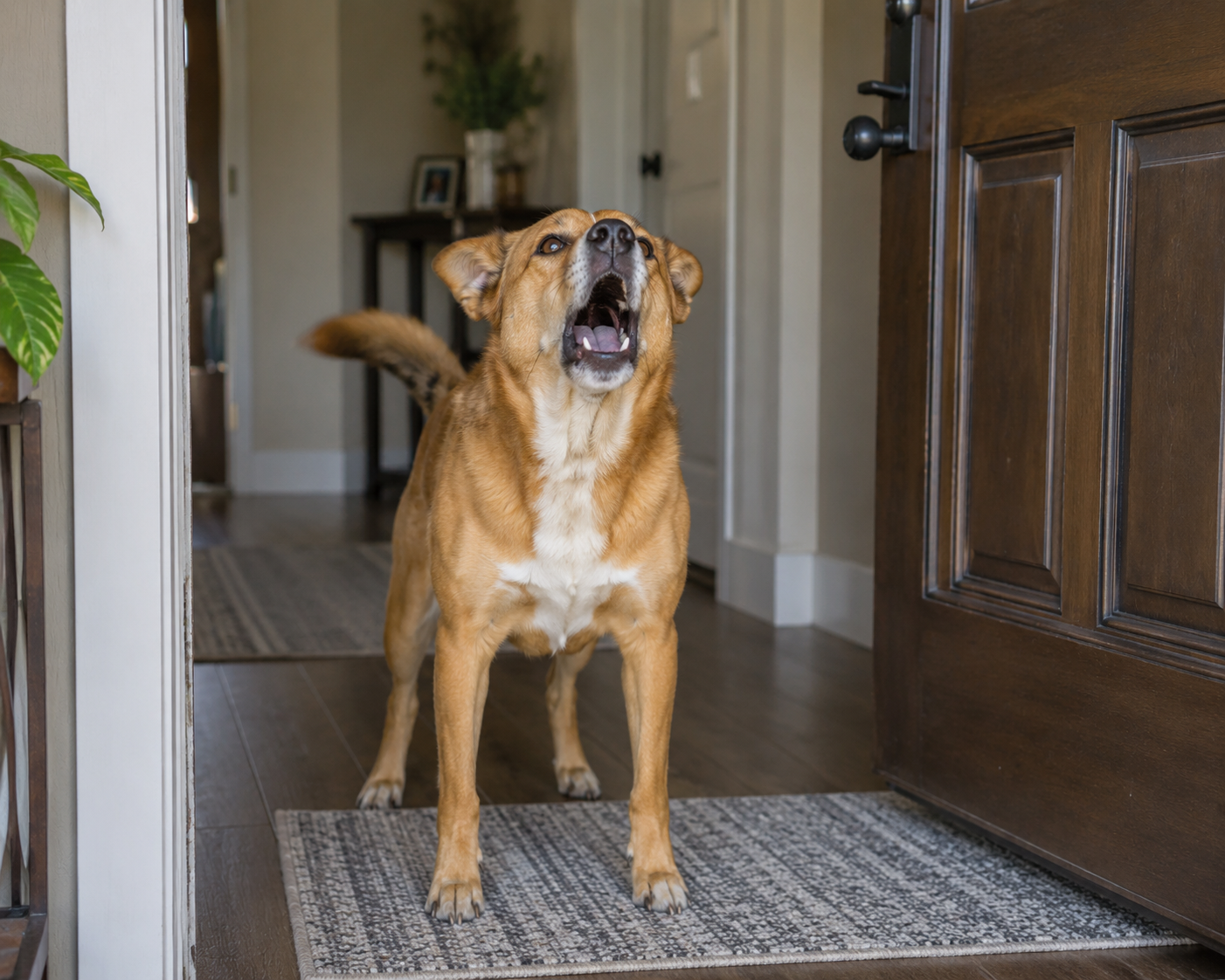
Why Do Dogs Bark Excessively?
Before you can stop the barking, you need to understand what is causing it. Dogs bark for many different reasons, and the solution depends entirely on the trigger. Common causes include:
- Alert or territorial barking — your dog is warning you about something they have seen or heard outside
- Fear or anxiety — a nervous dog barks when overwhelmed by people, noises, or new situations
- Boredom or frustration — an under-stimulated dog will bark simply to release pent-up energy
- Attention-seeking — dogs quickly learn that barking gets a response from you
- Separation anxiety — some dogs bark continuously when left alone
- Excitement — barking at the lead, during play, or when visitors arrive
Once you identify which type your dog is doing, you can apply the right training approach.
The Golden Rule: Never Reward Barking
The single biggest mistake owners make is accidentally reinforcing barking. If your dog barks and you shout, look at them, push them away, or give them a treat to quieten them — you have rewarded the barking. Your dog has learned that barking works.
This applies even to negative attention. To a bored or attention-seeking dog, being told off is still a response. The key is to remove all reward the moment barking starts.
How to Stop Alert and Territorial Barking
This is the most common type. Your dog sees someone walk past the window and goes into a frenzy. Here is how to handle it:
- Acknowledge, then redirect. Say “thank you” calmly to acknowledge what your dog noticed, then immediately call them to you and ask for a sit or a down.
- Reward the quiet. The moment your dog stops barking and looks at you, mark it with a “yes” and reward generously.
- Manage the environment. Use frosted window film on lower panes, or keep your dog in a room where they cannot see triggers. Reducing rehearsal speeds up the training enormously.
- Teach a “place” command. Train your dog to go to their bed on cue. When a trigger appears, send them to their place before the barking starts.
How to Stop Attention-Seeking Barking
This type requires complete consistency. The moment you give in even once, the behaviour intensifies.
- Turn your back completely when the barking starts. No eye contact, no speaking, no touching.
- The instant there is a pause — even one second — turn back and calmly reward your dog.
- Gradually increase the duration of quiet you require before rewarding.
- Ensure your dog is getting enough exercise and mental stimulation so they are not barking out of boredom.
This will likely get worse before it gets better. Dogs often bark harder when something that used to work suddenly stops working. Stay consistent and it will pass.
How to Stop Barking at the Door
Door barking is a common and very trainable problem. Follow these steps:
- Teach a solid “go to place” command away from the door first — practise this many times a day without any visitors.
- When someone knocks, calmly say your cue word and guide your dog to their spot.
- Ask your visitor to wait outside until your dog is settled.
- Reward your dog for staying calm as the door opens. Build this up slowly over many sessions.
Consistency from every family member is essential. If one person lets the dog rush the door excitedly, it undoes the training quickly.
How to Stop Barking When Left Alone
If your dog barks when you leave, this is likely separation anxiety or boredom. This requires a different approach:
- Build up alone time gradually, starting with just a few minutes and increasing slowly over days and weeks.
- Provide a stuffed Kong or long-lasting chew when you leave to create a positive association with your departure.
- Keep arrivals and departures completely calm — no big hellos or drawn-out goodbyes.
- Consider a DAP diffuser (dog appeasing pheromone) which can help reduce anxiety-related barking.
- If the anxiety is severe, consult your vet or a certified trainer as medication may be needed alongside behaviour modification.
Training Tips for Faster Results
Whatever type of barking you are dealing with, these principles will speed up your progress:
- Exercise first. A well-exercised dog barks significantly less. Ensure your dog gets adequate physical and mental stimulation every day.
- Be consistent. Every person in the household must respond the same way every single time.
- Train in short sessions. Five minutes of focused training beats an hour of frustration.
- Catch them being quiet. Randomly reward your dog throughout the day when they are calm and silent — this teaches them that quiet is highly rewarding.
- Avoid punishment. Shouting, spray bottles, and shock collars create fear and anxiety, which typically makes barking worse in the long run.
Stop a Dog Barking Excessively
Excessive barking is one of the most frustrating dog behaviour problems for owners and neighbours alike. The good news is that with the right understanding and consistent training, you can absolutely teach your dog to bark less. This guide walks you through everything you need to know. What About Anti-Bark Collars?
Citronella spray collars, ultrasonic devices, and shock collars are widely marketed as quick fixes. While they may suppress barking in the short term, they do not address the underlying cause. A dog barking out of fear or anxiety will become more anxious when punished, and the barking will return — often more intensely than before.
Positive, consistent training takes a little longer but produces lasting results without any risks to your dog’s wellbeing.
Frequently Asked Questions About Excessive Dog Barking
How long does it take to stop a dog from barking excessively?
Most dogs show noticeable improvement within two to four weeks of consistent training. Dogs with deeply ingrained habits or anxiety-related barking may take longer and benefit from professional support.
Is it too late to train an older dog to stop barking?
Absolutely not. Dogs of any age can learn new behaviours with patience and positive reinforcement. Older dogs may take slightly longer to change established habits, but they are entirely capable of improvement.
My dog barks at other dogs on walks — what should I do?
This is leash reactivity, which is slightly different from general excessive barking. The key is to increase your distance from the trigger, reward calm behaviour consistently, and gradually reduce that distance over many sessions.
Should I use a muzzle to Stop a Dog Barking Excessively.
Excessive barking is one of the most frustrating dog behaviour problems for owners and neighbours alike. The good news is that with the right understanding and consistent training, you can absolutely teach your dog to bark less. This guide walks you through everything you need to know.
A muzzle prevents biting but does not stop barking and should never be used as a barking solution. It does not address the underlying cause and can significantly increase frustration and anxiety in your dog.
When should I seek professional help for my dog’s barking?
If barking is linked to severe anxiety, aggression, or does not improve after several weeks of consistent training, a certified clinical animal behaviourist or your vet can provide specialist support tailored to your dog.
Final Thoughts
Stopping excessive barking is absolutely achievable with the right approach. Identify your dog’s trigger, remove the reward for barking, and consistently reinforce the quiet behaviour you want to see. Stay patient, stay consistent, and both you and your dog will be much happier for it.
