How to Train Your Puppy: A Step-by-Step Guide That Actually Works
A new puppy is equal parts joy and chaos — tiny teeth, boundless energy, and a rug that will never quite look the same. The good news: the habits you build in the first few months shape the dog you’ll have for the next decade. This guide walks through the core training pillars in order, so you’re not guessing what to tackle first.
Three Principles Behind Every Successful Method
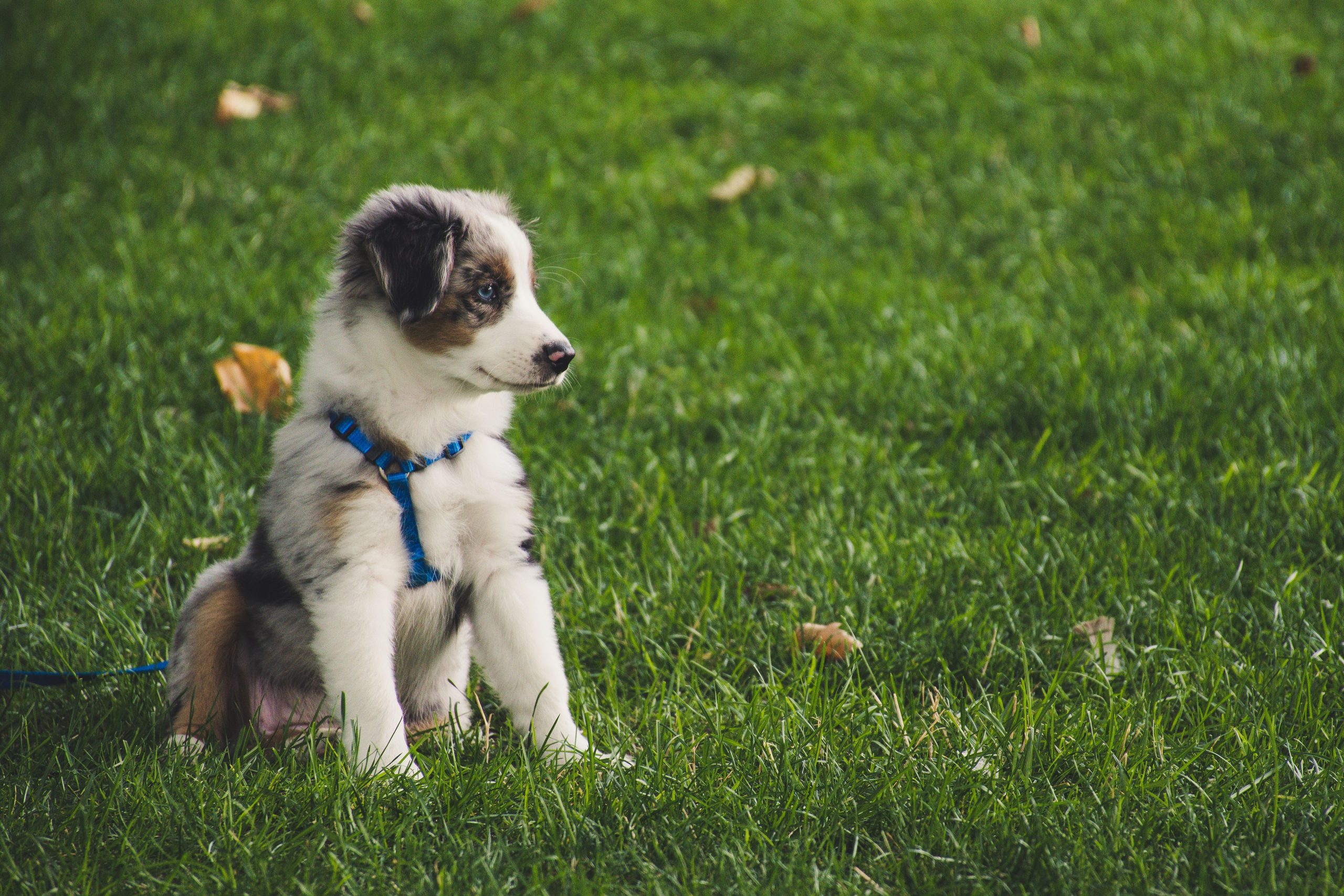
Before the step-by-step breakdown, three things separate puppies who train quickly from puppies who struggle — regardless of breed or method.
- Start as early as possible. Puppies between 8 and 16 weeks absorb new habits fastest, but any age can still learn — it just takes more repetition.
- Keep the whole household consistent. One person allowing something another person corrects is the single biggest cause of slow progress. Agree on commands and rules before day one.
- Reward, don’t punish. Puppies learn dramatically faster from what earns them a treat than from what earns them a scolding. Punishment tends to build fear and hesitation, not good habits.
Step 1: Potty Training
This is the step every new owner dreads, and it’s also the one where a routine matters more than any trick. Take your puppy out first thing in the morning, right after meals, after naps, and after play — before accidents become a pattern rather than an exception.
- Pick one consistent spot outside and a single cue phrase — “go potty” works fine — and use it every single time.
- The instant your puppy goes in the right place, reward immediately with praise and a treat. Timing here matters more than the treat itself.
- Accidents indoors are part of the process, not a setback. Clean it up without drama and get back to the routine.
Step 2: Sit, Stay, Come — The Foundation Commands
These three commands aren’t just party tricks — they’re the backbone of safety and control for the rest of your dog’s life.
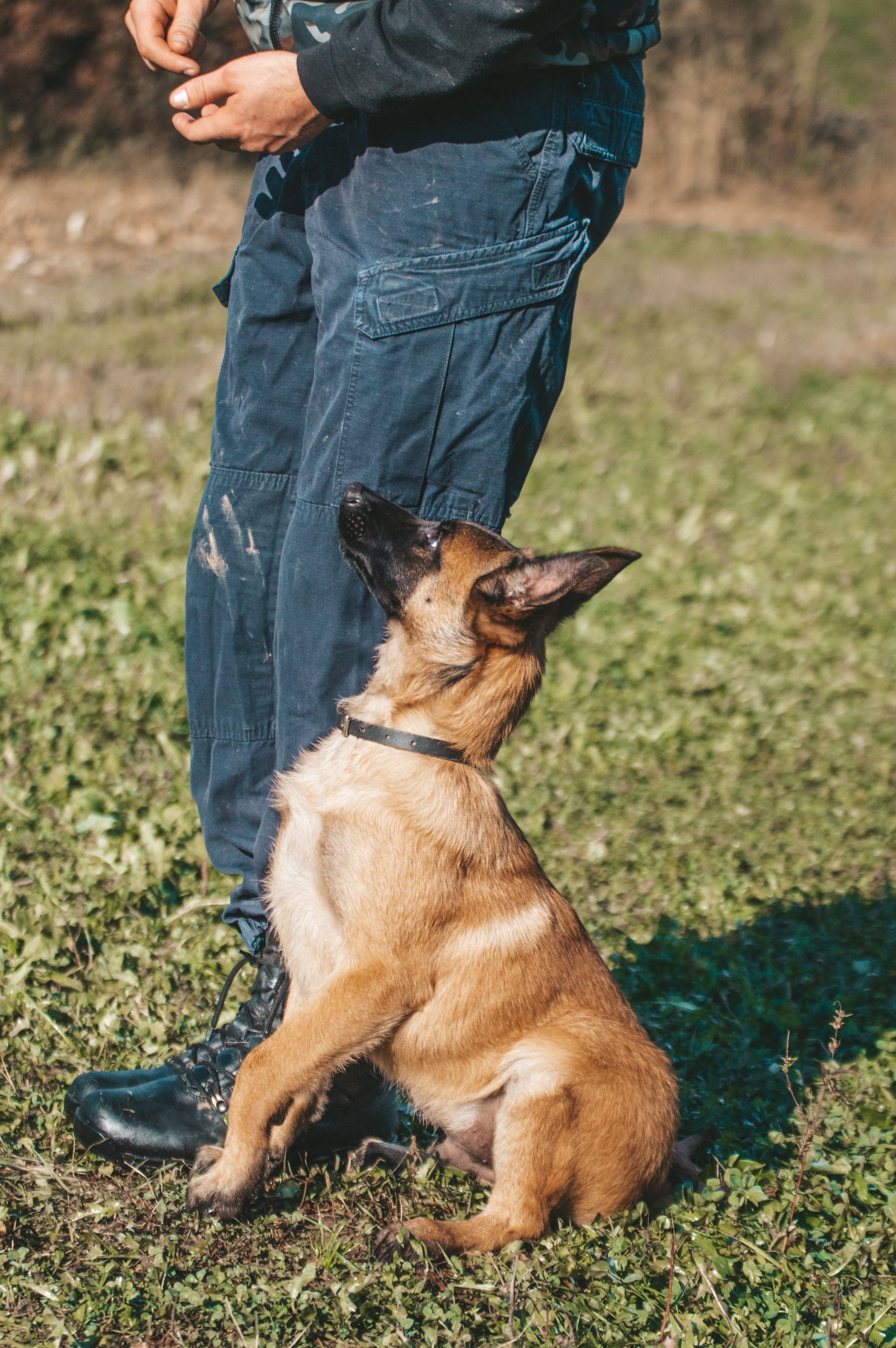
- Sit: Hold a treat just above your puppy’s nose and slowly guide it back over their head. As their bottom lowers to the ground, say “sit” and reward immediately.
- Stay: Once sitting reliably, add an open-palm hand signal and the word “stay.” Begin with just two or three seconds before rewarding, then build duration gradually over several sessions.
- Come: Crouch to your puppy’s level, use an upbeat tone, and reward generously every time they come to you — even if they were slow to respond. A long training leash helps in open spaces before recall is fully reliable.
Step 3: Socialization
The goal is exposure, not overwhelm — a steady stream of new people, animals, sounds, and places, delivered in a way that stays positive rather than frightening.
- Arrange playdates with other fully vaccinated puppies to build early social skills.
- Take short trips to new environments — a pet store, a park, a busy sidewalk — and let your puppy explore at their own pace.
- Practice gentle handling of paws, ears, and mouth regularly, so vet visits and grooming aren’t a fight later on.
Step 4: Bite Inhibition
Mouthing and nipping are normal exploratory behavior, not aggression — but puppies still need to learn how much pressure is too much.
- Whenever teeth land on skin, give a sharp “ouch” and withdraw your hand, mimicking how a littermate would react.
- Immediately redirect to an appropriate chew toy so the behavior has a better outlet.
Step 5: Crate Training
Done right, a crate becomes your puppy’s own safe space rather than a punishment — and it’s one of the most effective potty-training tools available.
- Add a soft blanket and a favorite toy to make it inviting from day one.
- Feed meals inside the crate early on to build a positive association.
- Never use the crate as a consequence for bad behavior — that undoes the safe-space association fast.
Step 6: Leash Manners
Leash training goes smoothest when it starts calm and stays short.
- Begin in a quiet, low-distraction area — not a busy street on day one.
- Reward loose-leash walking generously; a pulling puppy that never gets rewarded for walking calmly has no reason to change.
- Keep early sessions brief — a few minutes of good leash behavior beats twenty minutes of a puppy fighting the leash.
The Long Game
Mastering these six steps doesn’t mean training is finished — it means the foundation is in place. Keep reinforcing good habits, keep sessions positive, and expect the occasional setback along the way. The relationship you’re building now is what makes the rest of your dog’s life easier for both of you.
This guide reflects general, widely accepted puppy training principles. Puppies with persistent behavioral issues, fear responses, or aggression should be assessed by a certified trainer or veterinary behaviorist.
